
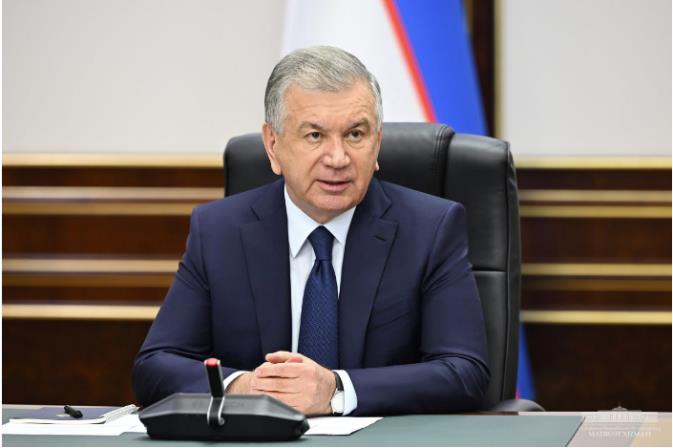
In recent years, Uzbekistan, with its 36 million strong populace, has undergone a seismic shift under the leadership of Shavkat Mirziyoyev. His presidency, which commenced in 2016, has been defined by an era of sweeping reforms that have propelled Uzbekistan onto the international stage as a robust and dynamic player.
The Evolution under Mirziyoyev’s Stewardship
Born into a family of medical professionals in 1957, Shavkat Mirziyoyev’s ascent to power brought a profound understanding of Uzbekistan’s societal and administrative intricacies. His tenure was marked by an acute awareness of the challenges faced by the nation’s economy and society, fostering a proactive and transformative approach to governance.
Pioneering Reforms and Strategic Initiatives
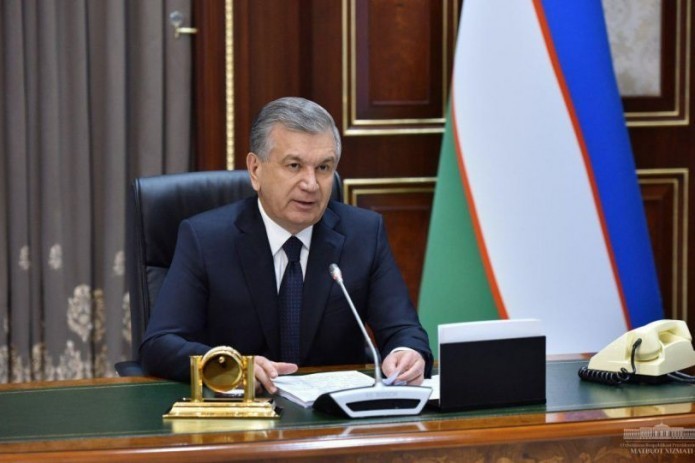
Mirziyoyev’s initial steps in office signaled a groundbreaking shift in Uzbekistan’s approach. He swiftly initiated reforms that broke barriers, including the release of political detainees, the liberalization of currency exchange, and the eradication of bureaucratic impediments for businesses. Collaborations with international entities such as the International Monetary Fund (IMF) resulted in the establishment of credible economic metrics and the issuance of US dollar-denominated bonds, underlining Uzbekistan’s commitment to fiscal transparency and global standards.
The president’s diplomatic prowess bore fruit in revitalizing relationships with neighboring nations, particularly Kyrgyzstan and Tajikistan, and fostering robust partnerships with global giants like the European Union, China, and the United States.
Economic Renaissance through Foreign Investment
Uzbekistan’s post-Soviet economy grappled with antiquated industrial infrastructures and a shortfall in consumer goods. Mirziyoyev’s vision centered on revitalizing the economy by attracting foreign investments and privatizing state-owned entities.
Germany emerged as a cornerstone European partner in Uzbekistan’s economic revival. Over the past few years, German investments exceeding $2.5 billion have poured into the country, with influential German enterprises like MAN, CLAAS, Knauf, and Falk Porsche Fiberglass setting up significant operations. Strategic alliances with major European financial institutions such as Deutsche Bank and Commerzbank further catalyzed Uzbekistan’s economic growth, facilitating credit provisions and aiding in state bank privatizations.
Revamped Trade Dynamics and International Engagements
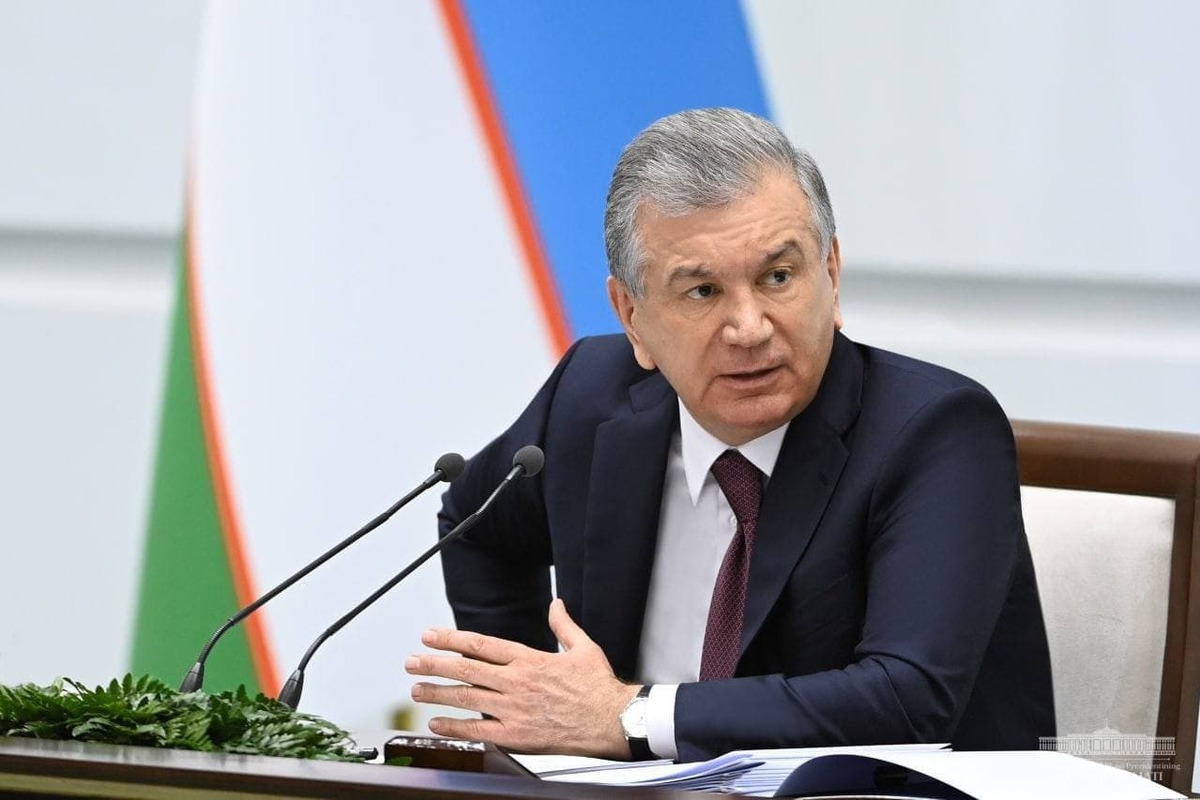
Uzbekistan’s traditional exports, including cotton, uranium, gold, and agricultural produce, underwent a transformation. The focus shifted from raw exports to value-added processing, particularly in the textile industry, and adopted market-oriented agricultural strategies.
Germany emerged as Uzbekistan’s primary European trade partner, with trade turnovers reaching substantial levels, totaling $1.2 billion in the preceding year. German exports, primarily industrial machinery, fueled Uzbekistan’s industrial growth, while Germany imported agricultural produce, textiles, and apparel. Uzbekistan capitalized on the European Generalized Scheme of Preferences (GSP+), leveraging tariff preferences to enhance exports to Europe.
Pioneering Sustainable Development and Renewable Energy
Uzbekistan’s vision embraced sustainability and renewable energy sources to reduce fossil fuel dependency. Mirziyoyev set an ambitious goal to achieve a 40% share of renewable energy in the country’s energy mix by 2030, necessitating significant infrastructure upgrades and water conservation efforts.
Strategic collaborations with European, Chinese, and Middle Eastern partners propelled Uzbekistan’s venture into green energy. The inauguration of multiple solar and wind power projects showcased the country’s commitment to eco-friendly energy practices. Competitive bidding strategies and government subsidies for household solar panel installations underscored Uzbekistan’s commitment to sustainable energy solutions.
Charting Uzbekistan’s Future Trajectory
Mirziyoyev’s endorsement of the Uzbekistan 2030 development strategy, a product of extensive collaboration, outlined ambitious targets for GDP growth, export amplification, enhanced education, healthcare, and elevating citizens’ standards of living.
The nation’s collaborative partnerships, especially with Germany and other global allies, continue to play a pivotal role in realizing these aspirations. Shavkat Mirziyoyev’s visionary leadership has not only transformed Uzbekistan’s economic landscape but has positioned it as a beacon of progress on the global stage, poised to embrace a future brimming with opportunities and promise.
