
Some of the links in this post are affiliate links. This means if you click on the link and purchase the item, I will receive an affiliate commission at no extra cost to you.
Cats are known to be independent and self-sufficient creatures. But just like any other animal, they need food and water to stay healthy and hydrated.
One of the most important aspects of cat care is providing your pet with an adequate amount of water. So how long can cats go without water? This is a common question for cat owners, and the answer depends on a few factors.
While it may vary depending on the individual cat, there are a few key factors to consider when determining the answer. In this article, we’ll discuss the importance of water for cats, how long cats can go without water, and what to do if you think your cat is dehydrated.
The Importance of Water for Cats
Water is essential for cats to stay properly hydrated and can help maintain a healthy coat, allow for natural digestion, and help rid the body of toxins. While cats get some water from their food sources, they still need an additional source of hydration when they don’t get enough from their diet.
When cats don’t have enough water to drink, they can become dehydrated, which can lead to a variety of health issues.
It is important to provide cats with fresh, clean water at all times. This can be done by filling a bowl with fresh water and changing it daily.
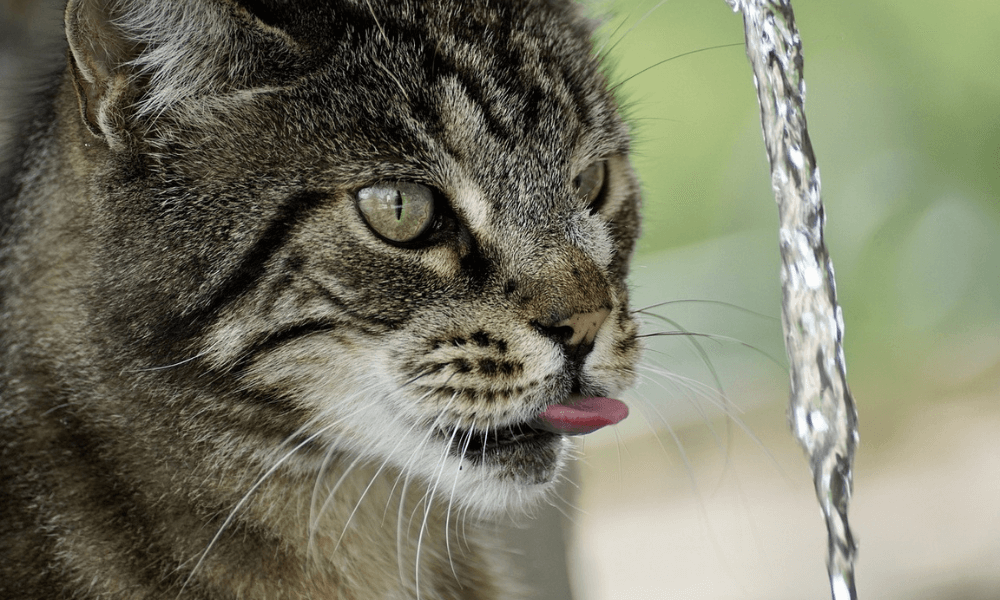
Additionally, cats may be more likely to drink from a running water source, such as a fountain, so providing one of these can be beneficial.
It is also important to monitor the amount of water your cat is drinking, as this can be an indication of their overall health.
Signs of Dehydration in Cats
If your cat is showing signs of dehydration, it’s important to act quickly to rehydrate them. Some common signs of dehydration in cats include:
- Dry tacky gums
- Sunken eyes
- Loss of elasticity in the skin
- Low energy
- Decreased appetite
- Increased panting
If you suspect your cat is dehydrated, take them to the vet as soon as possible.
Dehydration can be caused by a variety of factors, including not drinking enough water, excessive vomiting or diarrhea, or a fever.
It’s important to monitor your cat’s water intake and watch for any changes in its behavior or appetite. If you notice any of the signs of dehydration, contact your vet immediately for advice.
How Much Water Does a Cat Need?
Cats need about 4 ounces of water per five pounds of lean body weight per day, depending on their size and activity level.
To ensure your cat is getting enough water, it is best to fill up a bowl with fresh water each day. Try to place the bowl in an area away from their litter box, as cats prefer to drink from a clean source.
It is also important to monitor your cat’s water intake. If your cat is not drinking enough water, it could be a sign of an underlying health issue.
If you notice your cat is not drinking enough water, it is best to take them to the vet for a check-up.
How to tell if Your Cat is Getting Enough Water
- To tell if your cat is getting enough water, look for signs like moist gums and a shiny coat.
- Additionally, you can keep an eye on your cat’s urination frequency and volume. If your cat is urinating more frequently than usual, it may be consuming more water than usual. If your cat isn’t drinking enough water, it may have very concentrated urine.
- You can also check your cat’s water bowl to make sure it is full and clean. If your cat is not drinking from the bowl, try adding a few drops of tuna juice or chicken broth to the water to make it more appealing.
- Additionally, you can try adding a water fountain to your home, as cats are often attracted to running water.
If you are still concerned about your cat’s water intake, consult your veterinarian for advice.
Tips for Keeping Your Cat Hydrated
There are several things you can do to make sure your cat stays properly hydrated.
- Offer fresh water daily and place several bowls around your home in different locations.
- Additionally, try adding wet food to your cat’s diet to provide an additional source of hydration.
- You can also use flavored water or add cat-safe vegetables like cucumber slices to the water bowl to make drinking more enticing for your pet.
- You can also try adding ice cubes to your cat’s water bowl. This will help keep the water cool and refreshing, and the ice cubes can be fun for your cat to play with.
- Additionally, you can try adding a water fountain to your home. This can help encourage your cat to drink more, as the running water is more appealing than a still bowl.
Potential Health Risks of Dehydration in Cats
Dehydration can lead to a variety of health issues in cats, including kidney and urinary tract issues, constipation, and even death if left untreated.
Additionally, dehydration can make existing conditions worse and increase the risk of developing other health issues like heat stroke.
It’s important to be aware of the signs of dehydration and take steps to ensure your cat stays properly hydrated.
What to Do if Your Cat Refuses to Drink Water
If your cat refuses to drink water, there are several things you can try.
- First, make sure the water bowl is clean and free from debris or hair.
- Additionally, you can try freezing low-sodium broth or tuna juice in an ice cube tray and add the cubes to the water bowl.
- You can also try adding a pinch of sugar or salt to the water bowl or adding liquid B-Complex vitamins.
Conclusion
Cats are obligate carnivores and can go longer without water than other animals like humans or dogs. However, it is still essential for cats to stay properly hydrated to maintain their health. By understanding the importance of water for cats and how much they need each day, you can help ensure your cat stays healthy and hydrated. Additionally, be aware of the signs of dehydration and take steps to encourage your cat to drink more water if necessary.
