



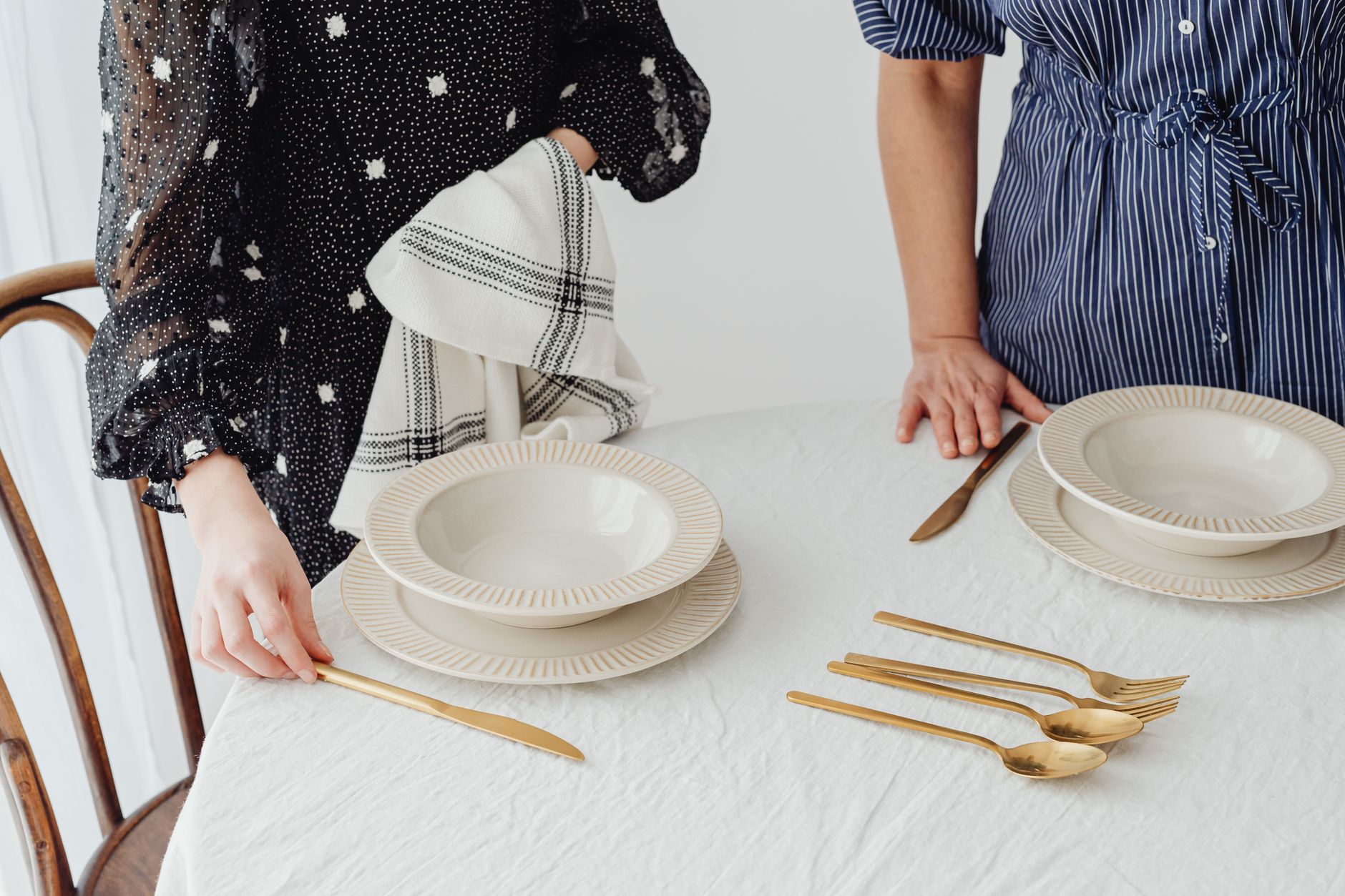
Knowing How To Set A Table For Dinner is a useful skill that can instantly make any meal feel more organized and welcoming. Whether you are hosting guests, preparing a family dinner, or planning a special occasion, a well-set table creates a pleasant dining experience.
Table setting is not only about appearance. It also helps people know where everything goes, making the meal more comfortable and enjoyable. Even a simple setup can feel thoughtful when done correctly. You do not need expensive dishes or fancy decorations—just a clear understanding of placement and balance.
From casual dinners to more formal gatherings, the way you arrange your table can set the tone for the entire meal. With a few basic rules and a little attention to detail, anyone can learn how to create a neat and inviting dining setup.
Understanding the Basics of Table Setting
Before getting into detailed arrangements, it helps to understand the basic structure of a table setting. Every place setting is built around a central plate, with utensils, glassware, and napkins placed in specific positions.
The dinner plate is the center of each setting. Everything else is arranged around it in a logical order based on how the meal will be eaten. Forks usually go on the left, while knives and spoons are placed on the right.
The knife blade should always face the plate. This small detail is part of traditional dining etiquette and helps maintain consistency in formal settings.
A napkin can be placed in several ways. It may sit on the plate, to the left of the forks, or even inside a glass for decorative purposes. The placement depends on the style of the meal.
Glassware is positioned above the knives, slightly to the right. This makes it easy for guests to reach without interrupting the flow of the meal.
Understanding these basics helps you build confidence before moving on to more detailed arrangements. Once you know the structure, setting a table becomes simple and intuitive.
How To Set A Table For Dinner: Casual Dining Setup
For everyday meals or casual dinners, the table setting should be simple and practical. The goal is comfort rather than formality.
Start with a clean table and place a placemat or tablecloth if desired. This helps define each person’s space and keeps the table neat.
Place the dinner plate in the center of each setting. On the left side, place a fork. On the right side, place a knife and spoon if needed. If the meal does not require multiple utensils, you can keep it even simpler.
A napkin can be placed either on the plate or beside the fork. Casual settings allow flexibility, so you do not need to follow strict rules.
A glass of water is usually placed above the knife. If other drinks are being served, such as juice or soft drinks, additional glasses can be added nearby.
For casual dinners, simplicity is key. The focus should be on comfort and ease of use rather than formal presentation.
This type of table setting works well for family meals, quick dinners, or relaxed gatherings with friends.
How To Set A Table For Dinner: Formal Dining Setup
A formal table setting requires more attention to detail, but it still follows a clear structure. It is often used for special occasions, celebrations, or dinner parties.
Start with a clean tablecloth, preferably in a neutral or elegant color. This creates a refined foundation for the rest of the setup.
Place the dinner plate in the center of each setting. If you are serving multiple courses, you may also include a smaller salad plate or soup bowl.
Utensils are arranged in the order of use. Forks are placed on the left side, with the salad fork on the outside and the dinner fork closer to the plate. On the right side, place the knife and spoon in the same order of use.
The dessert spoon or fork is usually placed above the plate or brought out later with the dessert course.
Glassware is placed above the knives. A water glass is positioned closest to the plate, with wine glasses arranged beside it if needed.
The napkin can be folded neatly and placed on the plate or to the left of the forks. In formal settings, presentation matters, so simple folds are often preferred.
This type of arrangement creates an organized and elegant dining experience that feels more structured and thoughtful.
Choosing Tableware, Linens, and Decorations
The items you choose for your table can greatly influence the overall atmosphere of the meal. Even simple tableware can look elegant when arranged carefully.
Start with your plates, bowls, and utensils. Matching sets create a clean and coordinated look, but mixing styles can also work if done thoughtfully.
Linens such as tablecloths, runners, or placemats help define the dining area. Light colors create a soft and formal feel, while darker colors add warmth and contrast.
Napkins are another important detail. Cloth napkins are often used for more formal settings, while paper napkins are common for casual meals. Folding napkins neatly adds a touch of care to the table.
Decorations should be kept simple so they do not interfere with conversation or dining. A small centerpiece, such as flowers or candles, can enhance the table without making it feel crowded.
Avoid tall centerpieces that block visibility between guests. The goal is to create a pleasant atmosphere while maintaining comfort and practicality.
Even small details, like matching salt and pepper shakers or neatly arranged cutlery, can improve the overall look of the table.
Common Table Setting Mistakes to Avoid
While setting a table is not difficult, there are a few common mistakes that can affect the overall presentation and functionality.
One common issue is overcrowding the table. Too many items can make the table feel cluttered and uncomfortable. It is better to keep only what is necessary for the meal.
Another mistake is placing utensils in the wrong order. Remember that utensils should be arranged based on the order of use, from outside in.
Incorrect glass placement is also common. Glasses should always be placed above the knives, not randomly on the table.
Using mismatched or unclean tableware can also affect the dining experience. Clean, well-maintained dishes always create a better impression.
Another issue is forgetting about guest comfort. Ensure there is enough space between each place setting so guests do not feel crowded.
Finally, overly large decorations can block views and make conversation difficult. Simplicity usually works best for most dining situations.
Avoiding these mistakes helps create a more balanced and enjoyable dining experience for everyone at the table.
Final Thoughts on Setting a Dinner Table
Learning How To Set A Table For Dinner is a simple but valuable skill that can improve both everyday meals and special occasions. It is not about strict rules or perfection, but about creating a comfortable and welcoming dining space.
Whether you choose a casual or formal setup, the key is organization and thoughtfulness. A well-set table shows care for your guests and makes meals feel more enjoyable.
With practice, table setting becomes second nature. You will learn how to adjust based on the occasion, the number of guests, and the type of meal being served.
A beautifully set table does not require expensive items or complicated designs. It simply requires attention to detail and a sense of balance.
FAQs
What is the correct order to set a dinner table?
Forks go on the left, knives and spoons on the right, and glasses are placed above the knives. The plate is always in the center.
Do I need different table settings for casual and formal dinners?
Yes, casual settings are simpler with fewer utensils, while formal settings include multiple utensils and structured placement.
Where should the napkin be placed on the table?
A napkin can be placed on the plate, to the left of the forks, or inside a glass depending on the style of the setting.
What should be included in a basic table setting?
A basic setting usually includes a plate, fork, knife, spoon (if needed), napkin, and a glass for drinks.
How can I make my table look more elegant?
Use clean tableware, simple decorations like flowers or candles, and ensure everything is neatly arranged.
What are common mistakes when setting a table?
Common mistakes include overcrowding the table, placing utensils incorrectly, and using overly large decorations.
Is table setting important for everyday meals?
While not required, a simple table setting can make everyday meals feel more organized and enjoyable.
